
ICSI Treatment in Mumbai: Process, Prices, Risks, and Benefits

ICSI is another form of in vitro fertilization. Your infertility specialist may recommend it to treat certain fertility issues or if a previous IVF cycle didn’t work. In this blog, we explain what ICSI is, its process, risks, cost, who should consider it, and the success rates of ICSI treatment in Mumbai.
What is ICSI Treatment?
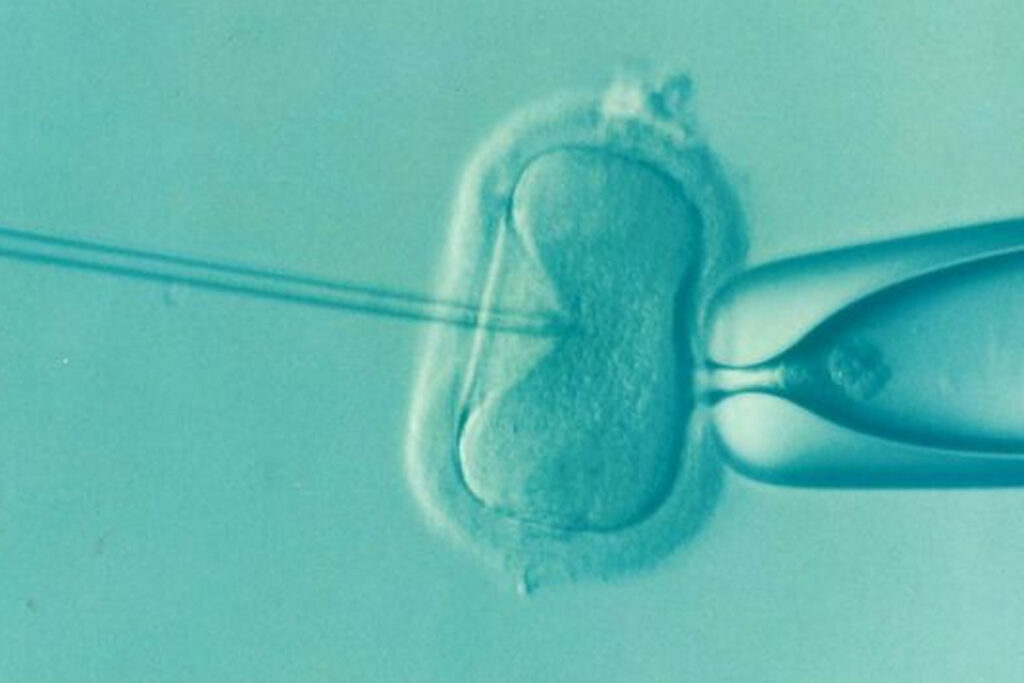
ICSI or Intracytoplasmic Sperm Injection, is an advanced form of IVF that is commonly recommended to patients facing male infertility. This fertility treatment involves injecting a single, healthy sperm directly into the cytoplasm of a mature egg to facilitate the process of fertilization.
Step-By-Step Process of ICSI Treatment In Mumbai
The process of ICSI treatment is very similar to that of regular IVF. Here is the complete step-by-step process of ICSI treatment in Mumbai:
Initial Consultation
In the initial consultation, our specialists will make a note of your medical and fertility history, lifestyle, and previous attempts at pregnancy. We will then conduct diagnostic tests such as ultrasound scans, blood tests, etc., to identify the root cause of your infertility.
Once we’ve done that, we can get started on your treatment right away! Diagnostic testing also helps us gauge the dosage of your fertility medication and create a customized treatment plan accordingly.
Ovarian Stimulation
For the next step, we’ll begin with stimulating your ovaries with hormonal medication to make them produce multiple mature eggs, instead of just one. This process takes about two weeks and requires daily injections, which can be self-injected or administered by a nurse.
Your fertility doctor at Bloom IVF will also recommend blood tests and ultrasounds during this process to monitor the growth of your follicles. Once they’ve reached an appropriate size, we can proceed to the next stage.
Egg Retrieval
You will first be administered a trigger injection of hCG once your eggs are mature. Your egg retrieval will be scheduled about 34–36 hours later. The specialist will use a fine needle to extract the liquid from the female patient’s follicles while they are under anaesthesia.
Sperm Collection and Preparation
The sperm sample is usually collected on the same day as egg retrieval, typically via ejaculation.
In case the male partner suffers from azoospermia (no sperm in the semen) or other male infertility issues, the sperm cells need to be surgically retrieved either from the testes or the epididymis.
This is carried out through the most appropriate technique for sperm retrieval, either TESA, PESA, or M-TESE. The sample is then processed in the lab to select the healthiest sperm cells for injection.
Sperm Injection (ICSI)
Your Bloom IVF embryologist observes the sperm cells under a microscope and picks the highest-quality one for injection. They inject this sperm into the egg’s cytoplasm via a fine glass microneedle and repeat the process for each healthy egg and sperm cell retrieved.
Embryo Culture
The embryos are then cultured under controlled conditions in a laboratory for about 3–5 days.
Embryo Transfer
Then comes the embryo transfer. At our IVF centre in Mumbai, embryologists select the highest quality embryo and transfer one to the uterus via a thin, flexible tube called a catheter. The patient is instructed to rest for some time before they are discharged.
Who Should Consider ICSI Treatment?
You may wonder: with all the different fertility treatments available in India, is ICSI the best one for your needs? The best gynecologists and fertility specialists in Mumbai will recommend ICSI to patients dealing with any of the following conditions:
Low sperm count (Oligospermia)
The male patient has a low sperm count, which makes fertilization difficult.
Irregular sperm morphology (teratozoospermia)
The male partner has abnormally shaped sperm, which are not able to effectively penetrate the egg.
Poor sperm motility (Asthenozoospermia)
The male patient’s sperm has low motility or is immotile, which means that it cannot move towards the egg to fertilize it.
Failed IVF Treatment
Patients who have had multiple failed IVF attempts in the past or have experienced low fertilization rates due to male factor infertility.
Advanced Maternal Age
If the female patient or egg donor is over 35 years old, her eggs may have a thicker outer layer and make fertilization difficult.
Frozen Eggs
When using frozen eggs, the zona pellucida or outer shell of the egg might harden and make fertilization difficult. ICSI or laser-assisted hatching may be recommended.
Frozen Sperm
When frozen sperm thaws, it can sometimes have reduced motility and be unable to penetrate the egg on its own.
Previous Vasectomy
Men who have had a vasectomy in the past may need sperm cells to be surgically retrieved through treatments like TESA, PESA, or M-TESE.
HIV
HIV-discordant couples are recommended to undergo ICSI to reduce the egg’s exposure to semen.
PGT
Patients who are testing their embryos for genetic or chromosomal abnormalities usually have to do ICSI IVF, as multiple sperm cells may try to fertilize a single embryo in regular IVF, and their genetic matter would interfere with the testing.
At Bloom IVF, the best IVF doctor in Mumbai ensures that patients who are recommended ICSI treatment thoroughly understand its process, advantages, and risks.
Benefits of ICSI Treatment
ICSI treatment is an advanced technique that offers the following benefits:
- It offers enhanced fertilization rates, especially when male infertility is involved
- It allows male patients to use surgically retrieved sperm for IVF treatment in Mumbai
- It allows couples to carry out preimplantation genetic testing on the embryos and screen them for genetic diseases and chromosomal abnormalities
Risks of ICSI Treatment
While ICSI is generally safe, some studies have suggested potential risks:
- Preterm Delivery
- Multiple Gestation
- Malformations of the urogenital tract, like hypospadias
- Heart defects in infants
- Developmental delays
However, most researchers believe that the risks to children born of ICSI are not due to the ICSI treatment but could be caused by the underlying causes of infertility that made the patient choose ICSI in the first place.
Men with low sperm counts often have high levels of DNA fragmentation in their sperm or Y microdeletion, which could potentially transmit genetic problems to the offspring.
Is ICSI Safe?
Yes, ICSI (Intracytoplasmic Sperm Injection) is considered a safe and widely used fertility treatment. In fact, millions of babies have been born using ICSI since it was first introduced, and most of them are perfectly healthy.
Research shows that the overall risk of birth defects in babies born through IVF or ICSI is about 3–4%—which is the same as in the general population.
Most additional risks associated with ICSI are hypothetical and have not been demonstrated in the general population, such as the transmission of problematic genetic traits due to random sperm selection.
Modern studies show that there is no difference in genetic mutations and birth defects in ICSI babies and the general population. Additionally, the risks of ICSI are so minimal when compared to IVF, that many clinics use ICSI as the default IVF technique even in cases with no male-factor infertility.
How Much Does ICSI Treatment Cost?
ICSI treatment is an advanced technique that should be performed by skilled technicians and fertility specialists. It is highly affordable in India when compared to global standards. Patients from all over the world come to India to receive high-quality ICSI treatment in Mumbai at Bloom IVF.
The cost of ICSI treatment is between ₹1,25,000 and ₹2,50,000 per cycle in Mumbai. It is more expensive than the IVF treatment cost in Mumbai due to the specialized equipment and techniques required.
What Is The Success Rate Of ICSI Treatment?
ICSI is often more successful than IVF treatment, especially in patients who have male infertility. The ICSI success rate in Mumbai at Bloom IVF clinics is 70-85%.
Our team ensures that any risks associated with ICSI treatment are minimized so that our patients can experience a stress-free pregnancy.
Why Choose Bloom IVF For ICSI Treatment?
At Bloom IVF, you’ll be cared for by some of the most experienced ICSI specialists in Mumbai. Our care team is always here for you to ensure that your fertility journey is smooth, successful, and satisfactory. Our doctors have years of experience in providing IVF, ICSI, and IUI treatment in Mumbai.
Our transparent pricing, ethical approach to assistive reproductive technology, and comprehensive support every step of the way make us a top choice for ICSI treatment in Mumbai. We offer the highest-quality reproductive healthcare at affordable and accessible rates.
We provide personalized, ethical, and evidence-based fertility care. Book a consultation today and experience the Bloom IVF difference.
Frequently Asked Questions:
Who should choose ICSI treatment in Mumbai?
Patients who are dealing with multiple failed IVF treatments or severe male factor infertility should choose ICSI as their next treatment plan.
How should I improve sperm quality before ICSI?
Before ICSI treatment, the male partner should give up smoking and drinking and follow a balanced diet. They should also take measures to reduce stress and exercise regularly to improve their sperm quality.
How much does ICSI cost?
ICSI treatment in Mumbai is priced between ₹1,25,000 and ₹2,50,000 per cycle.