
After Embryo Transfer Pregnancy Symptoms

The path to parenthood can be challenging and complicated – especially if you’re navigating infertility. While fertility treatments like IVF can be a lengthy and arduous process, the ultimate reward – a baby of your own – is always worth the effort. After your embryo transfer—often the most emotionally intense phase of treatment—you’re entering the critical two-week wait and dealing with after embryo transfer pregnancy symptoms.
What to Expect During the Two-Weeks After Embryo Transfer
Dubbed ‘the two-week wait’, the two weeks or 14 days after your embryo transfer are bound to be an extremely emotional time for hopeful parents. You’re trying to document each symptom, hyper-aware of each bodily change, and even eyeing those pregnancy tests at the store.
Don’t stress yourself out thinking about negative signs after embryo transfer. At Bloom IVF, we offer each patient undivided support and guidance throughout the IVF process – and especially during the two-week wait.
How To Tell If I’m Pregnant After Embryo Transfer?
The simple, straightforward answer is you can’t. There’s no definite way to know whether your embryo has implanted or not until you take a pregnancy test at a fertility clinic.
You take fertility medication during your IVF cycle. These medications often include the same hormones that are naturally created in the body during menstruation and pregnancy. This is what makes the two-week wait post IVF extra confusing: all early pregnancy symptoms overlap with the side effects of the medications used during IVF.
To put it plainly, your fertility drugs can give you the same symptoms as a positive pregnancy. There’s no way to tell whether you’re pregnant or about to start menstruating after embryo transfer by just monitoring your symptoms.
Real pregnancy symptoms don’t show up until 5-6 weeks, and by then you’d already know if your embryo had implanted.
After Embryo Transfer Day By Day Symptoms
Here is a timeline of the common symptoms most women experience after their embryo transfer. Remember, everyone’s body is different and reacts differently to IVF treatment, because of which, after embryo transfer, pregnancy symptoms can vary from person to person.
| Day | Most Common Symptoms |
| Day 1 to day 3 | Mild cramping, spotting, mood swings |
| Day 4 to Day 6 | Breast tenderness, cramping, bloating, spotting, fatigue, increased urination and discharge |
| Day 7 to Day 9 | Spotting, headaches, bloating, frequent urination, mood swings, sore nipples |
| Day 10 to Day 14 | Increased hunger and thirst, mood swings, fatigue, breast tenderness, back pain, cramping, and missed periods. |
Common After Embryo Transfer Pregnancy Symptoms Explained
You may choose to monitor your symptoms (or lack of them) for several reasons. The simplest one is that it helps you feel more in control. It also helps you detect any unusual symptoms and hopefully prevent them from affecting your chances of pregnancy.
Stay optimistic, and look out for these common positive signs after embryo transfer:
Spotting or Light Bleeding
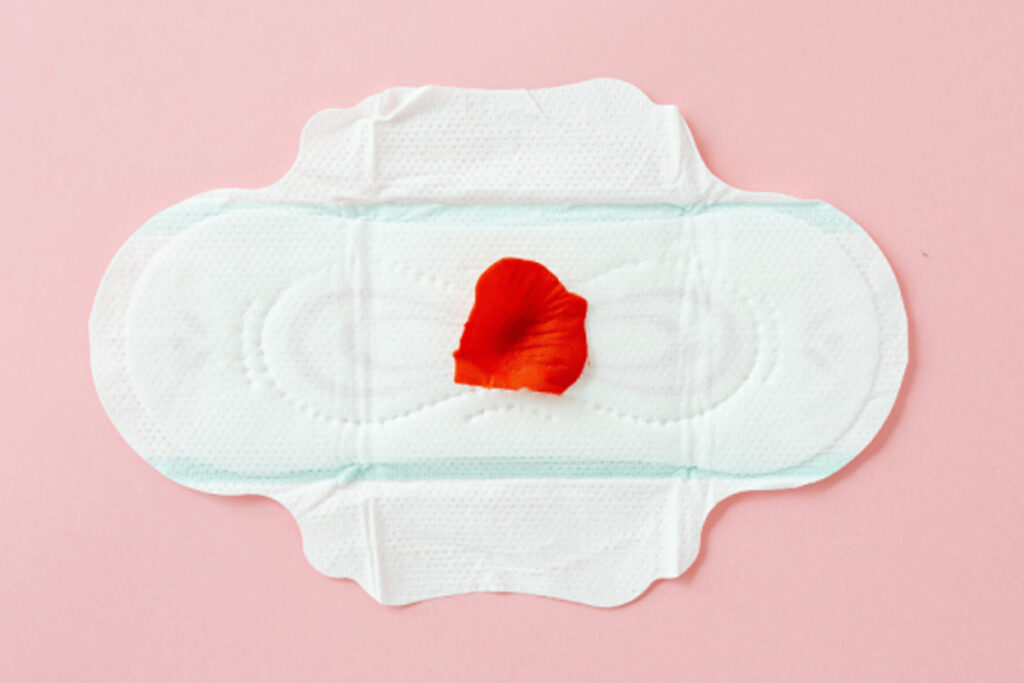
You may spot a small amount of blood on your underwear or when you use the toilet. Spotting could be due to implantation bleeding – a sign that the embryo has successfully implanted itself in the uterine lining.
Sometimes, bleeding can also indicate a failed implantation. Do let your doctor know about any spotting or bleeding so you can be guided appropriately.
Cramping

You may associate mild cramping with your period, but rest assured, it is also a symptom of a successful embryo transfer. Cramping during pregnancy is caused by the increase of progesterone levels in the body. It can also be caused by your progesterone medication, of course.
Some women experience cramping after any pelvic procedure. If you have extremely painful cramps, talk to your doctor.
Bloating
Are you experiencing bloating in your lower abdomen? Yes, bloating can be a sign of your periods, but it can also signal pregnancy! Once again, the high levels of progesterone in your body are to blame.
Painful bloating can be a sign of a rare and serious complication, ovarian hyperstimulation syndrome (OHSS). Closely monitor your symptoms and report anything suspicious to your doctors.
Breast Tenderness

Many women experience soreness or pain in their breasts after IVF embryo transfer, which is typically a sign of early pregnancy. Breast tenderness can also be a side effect of the oestrogen you’ve been taking during your IVF treatment.
No breast tenderness after embryo transfer? Don’t worry; you’re not alone. Some women don’t experience any pregnancy symptoms after embryo transfer, including this one, even when they test positive for pregnancy.
Frequent Need to Urinate

If you find yourself needing to use the bathroom more frequently than usual, it could be an early sign of pregnancy. This symptom is a side effect of increasing hCG and progesterone in the body.
Some women face increased urination much later in their pregnancy. If you experience a frequent need to urinate coupled with nausea, fever, blood in your urine, and painful urination, contact your doctor immediately, as it could indicate a urinary tract infection.
Tiredness and Fatigue

Fatigue is one of the most common after embryo transfer pregnancy symptoms. Due to the hormonal shifts and physical changes your body undergoes, the extra progesterone in your body can make you feel sleepier and more exhausted than usual
However, it could also be your fertility drugs making you feel tired. Make sure to get enough rest, avoid strenuous activities, and avoid drawing negative conclusions. If it helps, discuss your symptoms with a trusted fertility specialist at Bloom IVF.
Missed Period

A missed period is a common early indicator of pregnancy after an embryo transfer, especially if your menstrual cycle is usually regular. However, you can also miss your period due to stress, hormonal changes, or diet changes.
It’s recommended to wait two weeks after the transfer and take a pregnancy test to confirm your pregnancy.
Increased Discharge

One of the common after pregnancy symptoms after embryo transfer includes heavier discharge than usual. You may also notice heavier discharge after taking vaginal progesterone, as the medication can stimulate the cervix and lead to an increase in discharge.
Normal discharge
White, clear, or pale yellow, sometimes sticky discharge with a mild odour
Abnormal discharge
Yellow, grey, or green discharge accompanied by a foul odour, and an itching or burning sensation
Taking vaginal tablets or suppositories can increase the risk of infections. Report any abnormal discharge to your doctor immediately.
Headaches

Though not one of the most common after embryo transfer pregnancy symptoms, some women experience headaches after embryo transfer. These headaches could be caused by the progesterone and oestrogen you’ve been taking during the IVF treatment.
Headaches can sometimes arise from lack of sleep or dehydration. Ensure that you’re taking care of yourself and your body during this difficult time.
No Symptoms After Embryo Transfer: What Does It Mean?
But what does it mean when you don’t experience a single symptom after embryo transfer? Worry not – you can be pregnant without any symptoms. It’s not only natural; it’s also incredibly common. A large percentage of women do not experience any symptoms after embryo transfer.
Stay optimistic, and wait until you can take a pregnancy test to confirm whether you are pregnant or not.
Taking A Pregnancy Test After Embryo Transfer
At Bloom IVF, we recommend waiting for at least two weeks before testing for pregnancy. Too soon – and you risk getting a false positive or negative result.
False Positive: You are administered a trigger shot of hCG before embryo transfer. Since pregnancy tests measure the level of hCG in the blood, they may pick up on traces of the trigger medication and give you a false positive.
False Negative: Embryo implantation can take place any time between 6 to 12 days after transfer. Once the embryo implants, the body starts producing more hCG. If you test too early, there’s a chance that the embryo hasn’t implanted yet, and your test would come back negative.
Most importantly, don’t stress, and try to maintain a positive outlook throughout. At Bloom IVF, we’re here to guide you every step of the way. If you’re in a two-week wait or seeking expert fertility care, schedule a consultation with the compassionate specialists at Bloom IVF—one of India’s most trusted IVF centers.
Frequently Asked Questions
I experienced no symptoms after embryo transfer; is that normal?
The absence of symptoms after embryo transfer is not a cause for concern. It is normal and many women experience no symptoms even if they test positive for pregnancy.
Do fresh and frozen embryo transfers cause different symptoms?
No, both fresh and frozen embryos cause identical symptoms after embryo transfer.
What should I avoid after embryo transfer?
After your embryo transfer, avoid smoking, drinking, and rigorous exercise. Follow a healthy lifestyle and eat as if you were already pregnant.
When will I get my period after a failed embryo transfer?
After a failed embryo transfer, your period usually returns around 10-14 days after the transfer, or a few days later once progesterone medicines are stopped. However, it can sometimes be delayed due to hormone fluctuations from the medications used during the IVF cycle.