
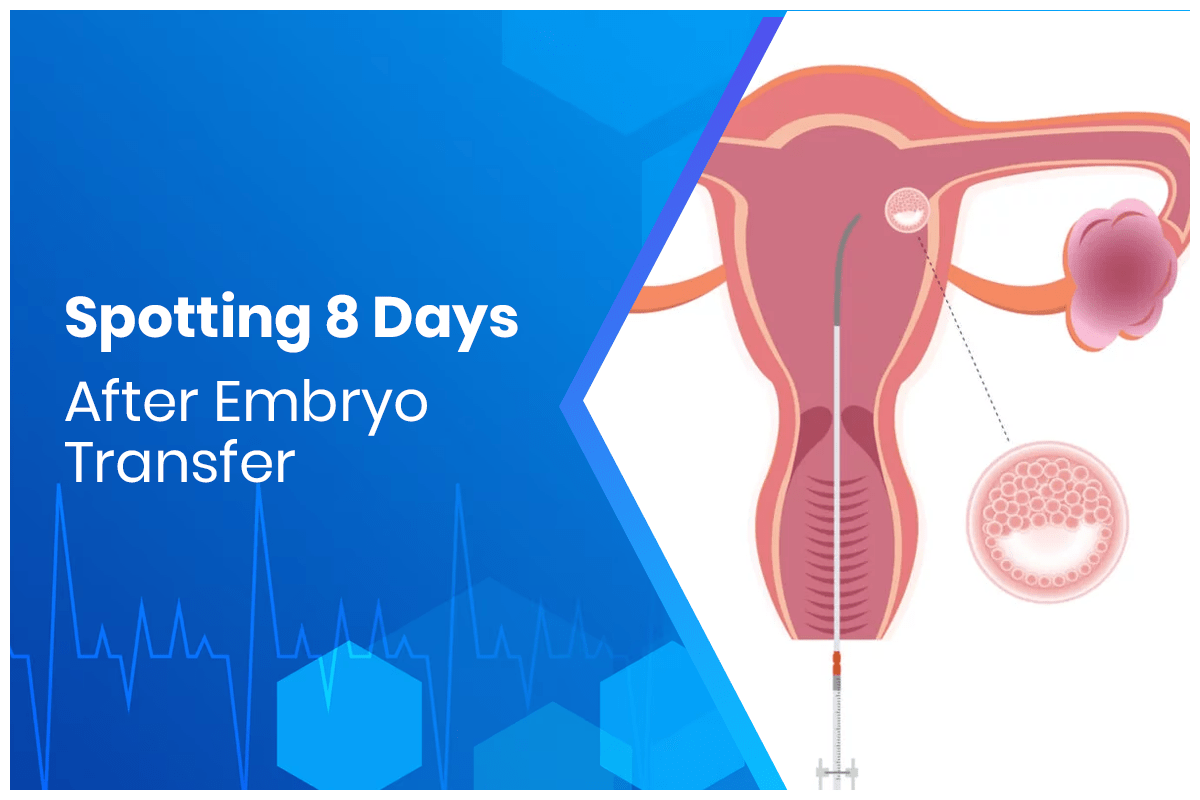
Spotting 8 Days After Embryo Transfer: Why It Happens and What It Means

The two-week wait after embryo transfer can feel both nerve-wracking and never-ending. You’re questioning every symptom, hoping that it’s a good sign! Spotting 8 days after embryo transfer is one of the most common and confusing symptoms you can experience during this period. It’s natural to feel anxious, but don’t worry. Our fertility specialists at Bloom IVF are here to shed some light on spotting after embryo transfer, what causes it, and what it means for you.
Day 8 after embryo transfer, you’re likely feeling a mix of emotions: nervousness, anxiety, hope, and anticipation. While spotting may indicate a successful transfer, it can also be triggered by several other factors. Learning about these factors can help provide clarity to your situation and reduce your anxiety.
Spotting 8 Days After Embryo Transfer: Is It Normal?
Yes, spotting after your Embryo transfer is completely normal. You may notice a faint discharge that is pink, red, or brown in colour. Spotting can occur due to several reasons and is not a cause for concern in most cases.
Spotting is relatively common in IVF pregnancies due to the hormonal medications you take, which can cause light bleeding and cramping. While spotting can be one of the positive signs after embryo transfer, it cannot be considered a sure sign of success.
While spotting is normal, if you experience heavy bleeding and are filling a pad every 1–2 hours, contact your doctor immediately.
What Causes Spotting After Embryo Transfer?
8 days after embryo transfer, symptoms like bleeding and cramping can be caused by various factors. Here are some common reasons for spotting after Embryo transfer:
Hormonal Changes
Hormonal fluctuations caused by IVF treatment can also cause spotting after embryo transfer.
Trauma Or Cervical Irritation
Manipulation of the cervix or minor trauma to the uterine lining during embryo transfer can result in spotting.
Medications
The hormonal medications you take during IVF treatment, particularly progesterone, can cause bleeding and symptoms similar to those of a menstrual period.
Implantation Bleeding
When the embryo attaches itself to the uterine lining, it can cause minor bleeding or spotting in the 6-12 days post-embryo transfer. This is often the first sign of pregnancy for most women.
Menstruation
If implantation has failed, spotting after the embryo transfer may be an early sign of the onset of your period following an IVF cycle.
Implantation Bleeding Vs Menstruation
Here are some key differences between implantation bleeding and your menstrual period.
| Symptom | Implantation Bleeding | Menstrual Period |
|---|---|---|
| Timing | 6–12 days post-transfer | 14 days post-ovulation |
| Flow | Light spotting | Heavier, consistent flow |
| Duration | A few hours to 1-2 days | 3–7 days |
| Colour | Light pink/brown/red | Bright to dark red |
If your bleeding is accompanied by symptoms you usually experience during your period, such as leg and lower back pain, it can be a sign of failed implantation.
Does Spotting Mean My Embryo Was Successful?
Since spotting 8 days after transfer can be caused by several factors, we recommend not trying to look for symptoms after embryo transfer that confirm or deny a successful pregnancy. After your Embryo transfer, there is no way of knowing whether you are pregnant or not until you take a pregnancy test.
After Embryo Transfer Day By Day Symptoms
As we’ve mentioned earlier, bleeding is extremely common 8 days after your embryo transfer. We recommend closely monitoring your symptoms, maintaining healthy lifestyle habits, avoiding stressful and strenuous activities, and getting enough rest to prevent any complications.
Women may experience various body changes after embryo transfer, including light spotting or bleeding, mild cramping, and breast tenderness. Most doctors will brief you about common symptoms so you don’t get caught off guard.
Spotting 8 Days After Embryo Transfer: What’s Next?
Continue to follow your doctor’s advice and do not stop any medication without first confirming with your healthcare provider. Call your doctor immediately if you experience:
- Heavy bleeding (soaking a pad every 1–2 hours)
- Sharp abdominal pain or stabbing cramps
- Dizziness, nausea, or fainting
- Shoulder pain (a sign of ectopic pregnancy)
Don’t ignore any symptoms: It’s important to report any bleeding and accompanying symptoms to your doctor. Even if they are not a cause for concern, it helps your healthcare providers monitor your journey better.
Testing For Pregnancy After Embryo Transfer
Though it may be tempting, we recommend against taking an early pregnancy test, as it can cause false positives or false negatives. If you’re concerned about certain symptoms 8 days after embryo transfer, request a consultation with a fertility doctor at Bloom IVF.
Waiting for results can be mentally exhausting. Practice gentle self-care—whether it’s meditating, journaling, or talking to a loved one. Try to stay off forums and avoid self-diagnosing based on symptoms alone. You’re doing everything you can, and you’re not alone in this journey.
Sometimes, spotting can indicate a failed embryo transfer. Don’t lose hope – you have better chances of success in your next embryo transfer. There is even a chance of conceiving naturally after a failed IVF cycle. Consult a Bloom IVF fertility specialist to discuss your next steps and treatment options.
Frequently Asked Questions
I did not experience spotting. Has my embryo transfer failed?
Occasionally, the embryo can implant without causing any bleeding or spotting. The absence of bleeding does not mean that your Embryo transfer was unsuccessful.
Is spotting a sign of successful implantation?
It could be! Implantation spotting often occurs between 6 to 12 days after the embryo transfer. However, spotting alone is not a definitive sign of pregnancy.
How long should spotting last after Embryo transfer?
Spotting after Embryo transfer should last anywhere from a few hours to a few days. However, if it turns into heavy bleeding, contact your doctor immediately.
Can spotting be caused by IVF medications?
Yes, progesterone and other hormonal medications used during IVF can cause light spotting or period-like symptoms.
Should I take a pregnancy test if I see spotting?
It’s best to wait until your doctor-recommended test date. Testing early may give you a false positive or negative due to lingering hormones or low hCG levels.