
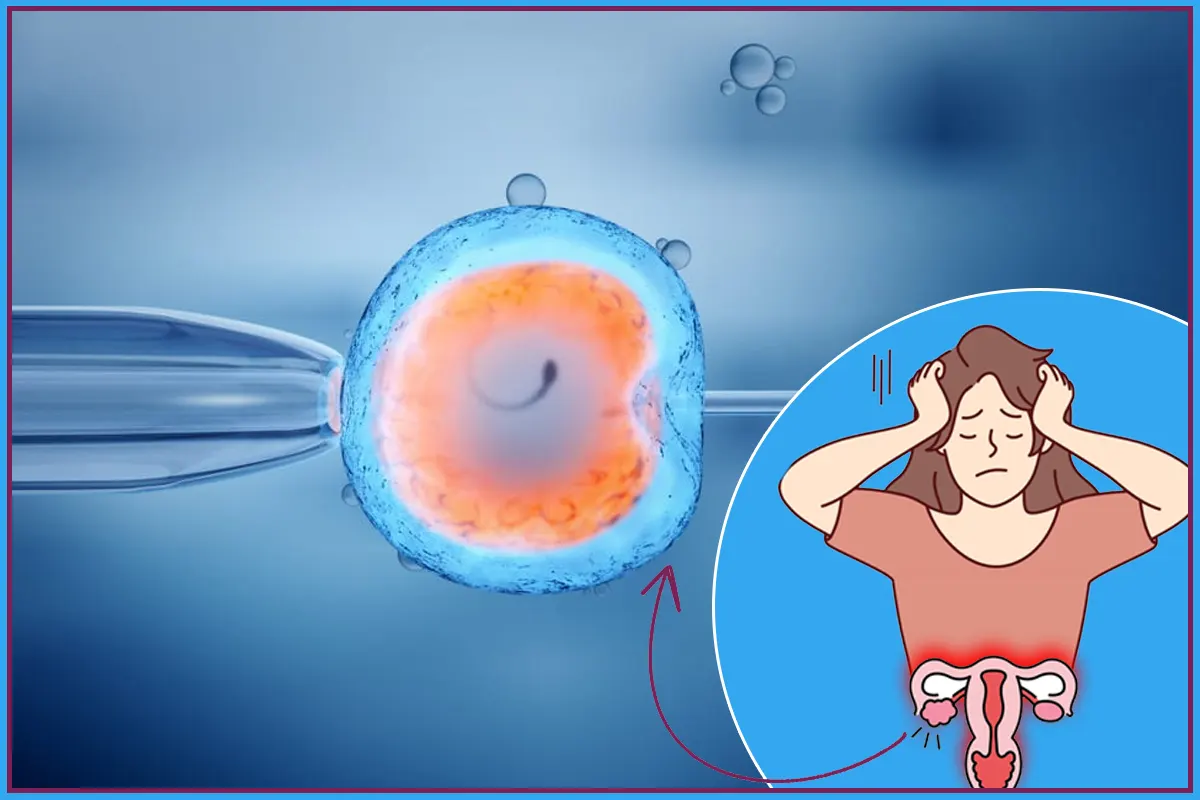
Is IVF Necessary for PCOD? When You Need It, and When You Don’t

PCOD can be a difficult diagnosis to live with. Along with the physical symptoms, you may also know that this condition can sometimes cause fertility issues. As a woman with PCOD, you may want to know whether you need IVF to conceive or whether it’s possible naturally. In this blog, we discuss, “Is IVF necessary for PCOD?” and if there are alternate treatment options you can pursue.
What is PCOD?
PCOD (Polycystic Ovarian Disease) is a hormonal disorder that usually affects women of reproductive age. In this condition, your ovaries may not release mature eggs regularly because of hormonal imbalances.
How Does PCOD Affect Fertility?
Instead of being released during ovulation, immature follicles (egg sacs) collect on the ovaries and appear like many small cysts (polycystic). These immature follicles make the ovaries produce more male hormones (androgens) than necessary. These androgens upset your body’s delicate hormonal balance and cause symptoms like excess hair growth and acne.
Since eggs aren’t released regularly during ovulation, you may frequently have missed or irregular periods. It becomes harder to predict your fertile days and the best times for conception. So, is IVF necessary for PCOD?
PCOD Treatment Options for Natural Conception
Women with PCOD don’t always need IVF. First-line treatment for PCOD-related infertility involves lifestyle modifications and medications. These treatments have helped many women with PCOD conceive with no need for IVF.
I] Lifestyle Modifications
PCOD causes hormonal imbalances and insulin resistance, which can further disrupt hormonal balance and interfere with ovulation. Over time, these changes can help restore ovulation and improve egg quality.
1. Diet
A PCOD-friendly diet includes foods with a low glycemic index, rich in fiber and protein, and low in processed fats and carbs.
2. Exercise
Regular exercise can reduce stress and help you lose weight effectively. Gentle exercise like yoga, Pilates, walking, and swimming can regulate insulin and lower androgen levels, which can help restore ovulation.
3. Weight Management
Losing just 5-10% of your body weight can improve insulin resistance and reverse hormonal imbalance. If you find it difficult to lose weight, contact a fertility specialist at Bloom IVF for a fertility-guided weight loss consultation.
4. Stress Management
Stress increases cortisol levels in the body, which can make PCOD symptoms worse. Chronic stress can potentially disrupt menstruation and ovulation. Practice meditation, breathing exercises, and mindfulness to reduce stress.
II] Medications
Medicines like oral contraceptives, insulin-sensitizing drugs, anti-androgens, ovulation stimulation drugs, and gonadotropins can be used individually or combined in customized treatment protocols.
1. Ovulation Stimulation
Medicines like letrozole and clomiphene citrate can help trigger ovulation in women who ovulate irregularly or not at all.
2. Oral Contraceptives
Using contraceptives while trying to conceive might seem counterproductive, but it isn’t uncommon. Birth control pills can reduce androgen levels and regulate your menstrual cycle, which is why your doctor may temporarily prescribe it to improve your ovarian function before trying other fertility treatments.
3. Insulin-Sensitizing Drugs
Metformin is usually used to treat type 2 diabetes. It can be useful in promoting insulin sensitivity and regulating the body’s hormonal balance.
4. Gonadotropins
Along with ovulation stimulation medication, some women with PCOD are also given follicle-stimulating hormone (FSH) or luteinizing hormone (LH) injections to actually trigger ovulation. While administering gonadotropins, we monitor you closely to reduce the risk of ovarian hyperstimulation.
III] Surgical Treatment
Fertility specialists may sometimes recommend surgical options like Laparoscopic Ovarian Drilling (LOD). This treatment involves creating small holes in the ovaries to destroy some of the tissue that produces androgens.
This treatment can help balance your hormones and relieve PCOD symptoms. LOD is only considered in severe cases, as it can potentially affect your ovarian reserve. In some cases, it can actually improve fertility outcomes when done to prepare you for IVF for PCOD.
Is IVF Necessary for PCOD? PCOD Fertility Treatment Options
First-line treatments for PCOD, like lifestyle modifications, don’t always work. Some women cannot conceive solely with ovulation induction. In such cases, assisted reproductive techniques (ART) are the logical next option.
1. Intrauterine Insemination (IUI)
Intrauterine insemination or IUI treatment is a minimally invasive technique that involves using a thin catheter to transfer sperm cells directly into a woman’s uterus. This treatment can slightly improve your chances of conception.
Women who respond well to ovulation induction and have at least one fallopian tube open are the best candidates for intrauterine insemination.
2. In Vitro Fertilization (IVF)
We can combine in vitro fertilization with ovulation induction and gonadotropins to boost chances of pregnancy for women with PCOD. IVF outcomes in women with PCOD are often very good when the condition is properly managed.
Does Every Woman with PCOD Need IVF?
Let’s get to the most important question you may have: “Is IVF necessary for PCOD?” PCOD can affect ovulation and make it more difficult to conceive, but that doesn’t mean natural conception isn’t possible. Not all women with PCOD will require IVF treatment.
Lifestyle changes and insulin-sensitizing agents can restore the body’s hormonal balance and regulate ovulation, which may potentially improve your fertility outcomes. A combination of medication, lifestyle and diet modifications, and surgery can help many women with PCOD conceive naturally.
Is IVF Necessary for PCOD? When You Should Consider IVF
In Vitro Fertilization is one of the most popular fertility treatments for complex infertility issues. It has a high rate of success and allows fertility specialists more control over each step of the reproductive journey: from egg development to fertilization. Your fertility specialist may advise you to consider IVF if:
- You’re 35 or older
- Your egg quality or quantity tests low
- You’ve had multiple failed IUI attempts
- You have additional conditions like endometriosis or pre-existing fertility issues
- You have been trying to conceive for over a year
- You want to conceive within a shorter timeframe
- Your partner has severe male-factor infertility
IVF can be especially useful for PCOD patients because it allows doctors to retrieve multiple eggs, select healthy embryos, and reduce the risk of multiple pregnancies through single embryo transfer.
Can PCOD be Cured? Treatments for Long-Term Fertility
PCOD does not have a permanent cure, so treatment relies on relieving symptoms and enhancing fertility. After giving birth, you may want to preserve your fertility to have more children in the future. This chronic condition can be managed with lifestyle changes, weight management, and hormonal treatment.
Early diagnosis and treatment can prevent your fertility from declining further. Long-term management of both PCOD and PCOS involves keeping up with lifestyle changes, consuming a healthy diet, and visiting a clinic for regular fertility screenings. Some women can also consider fertility preservation options like egg and embryo freezing, especially if they want kids later in life.
Final Thoughts: Is IVF Necessary for PCOD?
PCOD requires complex care and personalized treatment protocols. Bloom IVF offers holistic care packages for PCOD treatment, which include help with lifestyle modifications, hormonal therapy, and surgical and fertility treatments if required. This patient-centric approach focuses on improving reproductive health and fertility outcomes.
Our team of experts can help you decide on the right treatment options that will boost your chances of getting pregnant. We start with ovulation induction and timed intercourse and only move to IVF if it is necessary. Our customized treatment protocols are designed to help you conceive with the least surgical intervention required.
If you suspect PCOD-related infertility, contact Bloom IVF today for a free consultation.
Frequently Asked Questions:
What causes PCOD?
The exact cause of PCOD is unknown. Researchers suspect that it may be caused by hormonal imbalances, genetics, or insulin resistance.
Is IVF safe for women with PCOD?
IVF is generally safe for women with PCOD. Most fertility specialists will adjust protocols and carefully monitor you to reduce the risk of complications and ovarian hyperstimulation.
When should women with PCOD see a fertility specialist?
If you have been trying to conceive for a year with no success, or you have symptoms like irregular periods and difficulty losing weight, consult a fertility specialist.
Can losing weight improve fertility in PCOD?
Yes, losing weight can improve the body’s hormonal balance and manage your symptoms effectively. It can also regulate menstrual cycles and ovulation, which makes it easier to conceive.
Can women with PCOD get pregnant without IVF?
Yes, many women with PCOD can get pregnant naturally (without IVF) with the right lifestyle modifications and treatment options.