
PCOD Explained: Symptoms, Causes, Diagnosis and Treatment Options

Polycystic Ovarian Disease (PCOD) is a common hormonal condition that affects women during their reproductive years. It can lead to irregular periods and infertility because of issues with regular ovulation. But although PCOD is so widespread, many women struggle to find clear and reliable information about it online. In this blog, we explain what PCOD is, its symptoms and causes, and the treatment options you could consider, including IVF for PCOD.
What is PCOD?
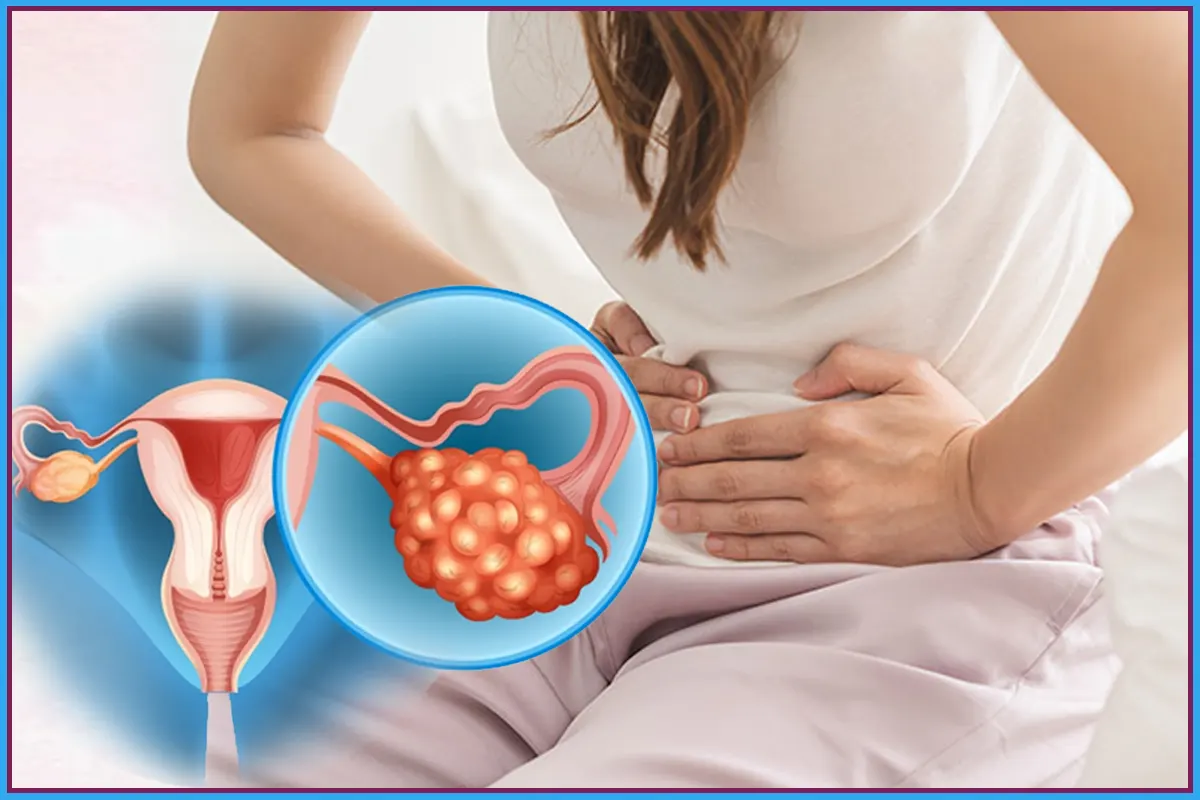
PCOD, or polycystic ovary disease, is a hormonal condition that affects women. Normally, the ovaries release one or two mature eggs each month for fertilization. This process is called ovulation. In PCOD, a woman’s ovaries produce more immature eggs than normal. Instead of being released, the immature eggs accumulate in egg sacs called follicles and look like tiny cysts on an ultrasound. However, they aren’t actual cysts, but immature follicles.
Your ovaries release hormones like estrogen, progesterone, and small amounts of male hormones (androgens) that help your organs function effectively. Buildup of immature follicles in PCOD interferes with regular ovulation and makes the ovaries release excess androgens. This upsets the body’s delicate hormonal balance and can cause irregular periods and other symptoms.
Common Symptoms of PCOD
The hormonal imbalance, high levels of androgens, and irregular ovulation associated with PCOD can cause noticeable physical symptoms.
Irregular Menstrual Cycles
You may experience that your periods are often irregular or entirely missed. Women with PCOD may experience fewer periods a year and have heavy menstrual bleeding.
Acne and Oily Skin
Hormonal imbalances can make your skin produce more sebum, which can cause oily skin and acne breakouts on your face and body.
Weight Gain or Difficulty Losing Weight
If you have PCOD, you may experience rapid weight gain and struggle with losing weight. Because of hormonal imbalances and insulin resistance, women with PCOD can find it difficult to maintain a healthy weight.
Infertility
Women with PCOD can sometimes find it difficult to conceive. Since the condition can interfere with ovulation, it can make natural conception harder.
Excessive Facial or Body Hair
Higher levels of androgens in your body can increase hair growth on your face, chest, stomach, and back. Your body hair may also appear thicker and darker. This is called hirsutism, and it is one of the most common symptoms of PCOD.
The Difference Between PCOD and PCOS
PCOD is a commonly used term to describe ovarian dysfunction, while PCOS (Polycystic Ovary Syndrome) is the medically recognized hormonal condition. PCOS and PCOD are often confused with each other, since they share some of the same symptoms. But they are not the same condition from a medical standpoint. PCOD is a commonly used term for ovarian dysfunction, but in medical practice, PCOS (Polycystic Ovary Syndrome) is the officially recognized diagnosis.
In clinical practice, many women diagnosed with “PCOD” may meet the diagnostic criteria for PCOS, but experience milder or fewer symptoms. Both PCOD and PCOS can affect fertility, but they may have different causes and thus require different treatments.
Causes and Risk Factors of PCOD
The exact cause of PCOD is currently unknown. Researchers suggest that it may be linked to the following factors:
Genetics
Often, PCOD can run in families. Approximately 40% of women can get PCOD if their mother or sister has it.
Hormonal Imbalance
Hormonal imbalances can cause the buildup of immature eggs in your ovaries, particularly by elevated levels of androgens in the body.
Insulin Resistance
If you have PCOD, there’s a good chance that you may have some insulin resistance. Since your body produces higher levels of insulin than required, it can make your ovaries produce more androgens. Elevated insulin levels can cause rapid weight gain and difficulty losing weight.
Inflammation
Women with PCOD often experience low-grade chronic inflammation.
Lifestyle Factors
Certain lifestyle factors can increase the risk of PCOD developing. These include a sedentary lifestyle, smoking, and stress.
Environmental Factors
Sometimes, environmental factors can play a role in hastening the development of PCOD. Endocrine disruptors found in common household items, cleaning products, and plastic products can disrupt the body’s hormonal balance and increase your risk of developing polycystic ovary disease.
How is PCOD Diagnosed?
There is no single test or set of diagnostic criteria for PCOD. Diagnosis usually involves reviewing your symptoms and conducting blood tests and ultrasounds to check for hormonal imbalances and ovarian cysts. You should consult a gynecologist or PCOD specialist in Mumbai if you experience any of the following symptoms:
- Irregular or absent periods
- Difficulty conceiving
- Excessive acne or hair growth
- Rapid weight gain or signs of insulin resistance
But what happens once you’re in the doctor’s clinic? First, your doctor will ask for your detailed medical history and analyze your family history of PCOD, diabetes, and fertility issues. They will then order a few tests and exams to rule out any other conditions and settle on a PCOD diagnosis.
Physical Exam
A physical exam can be used to check your BMI and find visible symptoms like acne, hair loss, and hirsutism.
Blood Tests
Blood tests to check levels of testosterone, luteinizing hormone (LH), follicle-stimulating hormone (FSH), thyroid function, blood sugar, and insulin in your blood.
Pelvic Exam
Pelvic examinations are used to determine if there is any swelling or enlargement of the ovaries. Since the results from pelvic exams can be inconclusive, some doctors skip them and go straight to ultrasound.
Pelvic Ultrasound
A pelvic ultrasound can be used to check the size of your ovaries and determine if there are any immature follicles on them.
If you are a virgin or are uncomfortable with a vaginal ultrasound, your doctor can give you an abdominal or rectal ultrasound instead. Remember to speak to your specialist if you have any doubts or are uncomfortable with the procedure.
PCOD Treatment Options
Early diagnosis and timely treatment of PCOD can significantly improve both reproductive and long-term health outcomes. Your doctor may ask you to try the following treatment options:
Lifestyle Changes
Smoking and excessive alcohol consumption can make PCOD symptoms worse. Consider quitting these habits for good.
Dietary Management
Talk to your endocrinologist or dietician about creating a custom diet plan to manage your symptoms. Most PCOD patients are told to cut out added sugar, processed foods, and some types of carbs. Focusing on high-fiber foods, lean proteins, healthy fats, and whole grains can reduce the severity of your symptoms.
Some women may benefit from structured eating plans such as low-glycaemic or anti-inflammatory diets or intermittent fasting to regulate insulin production. Remember to speak to a doctor or dietician before making any major dietary changes.
Stress Management
Meditation, yoga, and regular exercise can help lower cortisol levels and reduce the intensity of PCOD symptoms in women.
Weight Management
Losing just 5% to 10% of your body weight can significantly improve ovulation in some women with PCOD. Regular physical activity can improve insulin sensitivity and help you lose weight.
Medication
Birth control pills and anti-androgen drugs can lessen the severity of your symptoms. Medicines like metformin, which are normally used for diabetes, can be prescribed to increase your body’s sensitivity to insulin.
Hormonal Birth Control Pills
Hormonal birth control pills contain hormones that can regulate periods, lower androgen levels, and reduce the appearance of symptoms like unwanted hair growth and acne.
Progestin Therapy
Progestin therapy might be suggested as an alternative for women who cannot take birth control pills. It can be prescribed for 10 to 14 days per month to encourage regular period-like bleeding, which stops your uterine lining from building up.
Insulin Sensitizers
Metformin is a drug commonly used to treat diabetes. It may improve your insulin resistance, support ovulation, and potentially regulate your menstrual cycles.
Laparoscopic Ovarian Drilling (LOD)
This procedure involves making a small incision on the lower abdomen and inserting a thin camera (called a laparoscope) through it.
In laparoscopic ovarian drilling, tiny punctures are made on the surface of the ovaries using heat or laser to reduce excess androgen production and encourage regular ovulation. Laparoscopic ovarian drilling is recommended if you do not respond to other forms of treatment.
How PCOD Affects Ovulation and Fertility
When you don’t menstruate regularly, your uterine lining can start to build up. This can increase your risk of endometrial cancer. Women with PCOD are often given treatment to stop the uterine lining from building up or medication to induce periods.
PCOD causes hormonal imbalances, which interfere with ovulation and make it harder to conceive. It is one of the most common causes of infertility in women. PCOD can increase:
- Risk of gestational diabetes during pregnancy
- Chances of a miscarriage
- Abnormal uterine bleeding
IVF and Advanced Fertility Treatments for PCOD
Timely treatment can help women with PCOD preserve and improve their fertility. PCOD has a milder impact on fertility than PCOS does. Many women with PCOD can conceive naturally or with ovulation-inducing medications.
However, PCOD doesn’t affect everyone the same. Some women may require advanced fertility treatments such as IVF. If you have PCOD and fertility issues, in vitro fertilization may help you conceive safely and successfully.
Ovulation-Stimulating Medications
Your fertility specialist may prescribe medication that stimulates ovulation, such as Clomid, Letrozole, Metformin, and Gonadotropins.
In Vitro Fertilization
IVF, or in vitro fertilization, is a fertility treatment that is prescribed to women who do not see results from ovulation stimulation. It is often the most successful PCOD infertility treatment. IVF may be recommended when:
- Ovulation induction is unsuccessful
- There are additional fertility issues
- Pregnancy has not occurred despite treatment
IVF helps overcome ovulation-related problems by stimulating the ovaries, collecting eggs directly, fertilizing them in the lab, and transferring the embryos into the uterus. It can significantly improve fertility outcomes in women with PCOD.
Success Rates at Bloom IVF
With the right medical guidance, most women with PCOD are able to regulate their menstrual cycle, reduce long-term health risks, and improve their fertility. PCOD symptoms can be managed with medical treatment and lifestyle changes.
At Bloom IVF, our team of fertility specialists has extensive experience in treating PCOD-related infertility through tailored treatment plans, ovulation induction, and advanced IVF techniques. Our PCOD patients are treated with custom stimulation protocols to improve egg quality, reduce the risk of complications, and improve pregnancy success rates.
Book a consultation today to explore the best PCOD fertility treatment options for you.
Frequently Asked Questions
What are the first signs of PCOD?
The first signs of PCOD are irregular periods, excess hair growth on the face or body, and unexplained weight gain.
Can PCOD be cured?
No, PCOD cannot be cured permanently. However, PCOD symptoms can be managed through treatment like regular exercise, a balanced diet, medication, and lifestyle changes.
Can PCOD affect female fertility?
Yes, PCOD can interfere with regular ovulation and cause irregular periods, which can make it harder to conceive.
Can PCOD get worse if left untreated?
If left untreated, PCOD can cause several long-term complications like Type 2 Diabetes, high blood pressure, heart disease, infertility, and even endometrial cancer.
Which supplements can I take for PCOD?
Supplements like Inositol, Omega-3 fatty acids, vitamin D, vitamin B-12, zinc, and magnesium may improve insulin sensitivity, reduce inflammation, and help in balancing hormones. Always consult a doctor before taking any supplements.
Talk to a PCOD specialist in Mumbai for the best treatment options for infertility. Book an appointment today!